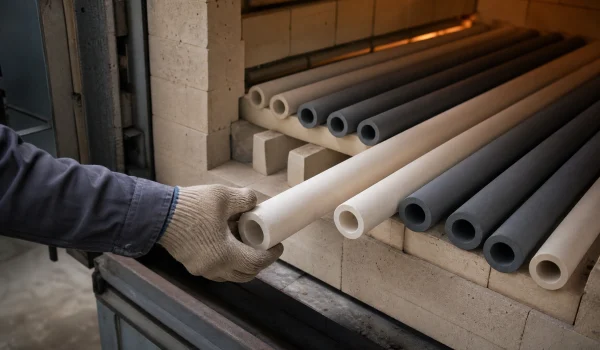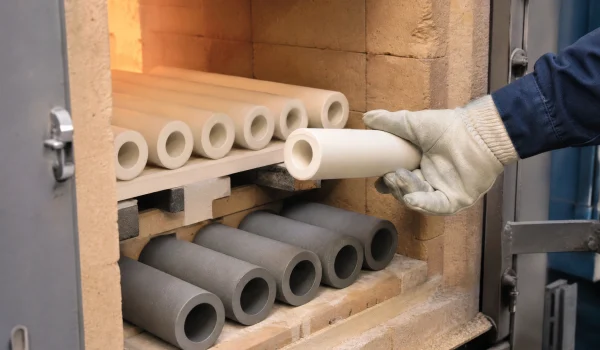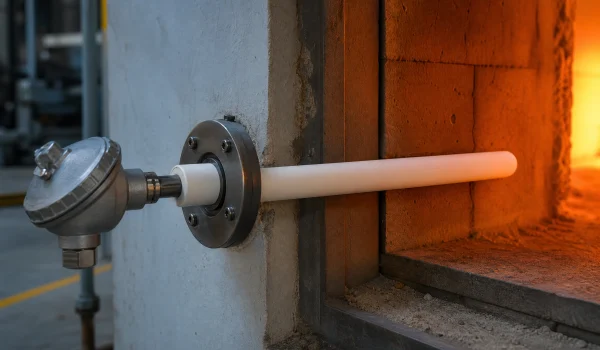
Industrial Ceramic Tubes & Pipes for High-Temperature and Harsh Environments
ADCERAX manufactures industrial, high-temperature ceramic tubes and ceramic pipes for furnaces, heaters, thermocouple assemblies and corrosive or abrasive flow lines, using high-purity alumina, silicon carbide, zirconia and boron nitride. We keep standard sizes for insulating sleeves and furnace tubes in stock, and produce engineered ceramic pipes, protection tubes and lined pipe sections according to your drawings and operating conditions.
Choose ADCERAX as your ceramic tube and pipe partner to stabilize production, protect your equipment and reduce overall running costs.
What Are Ceramic Tubes?
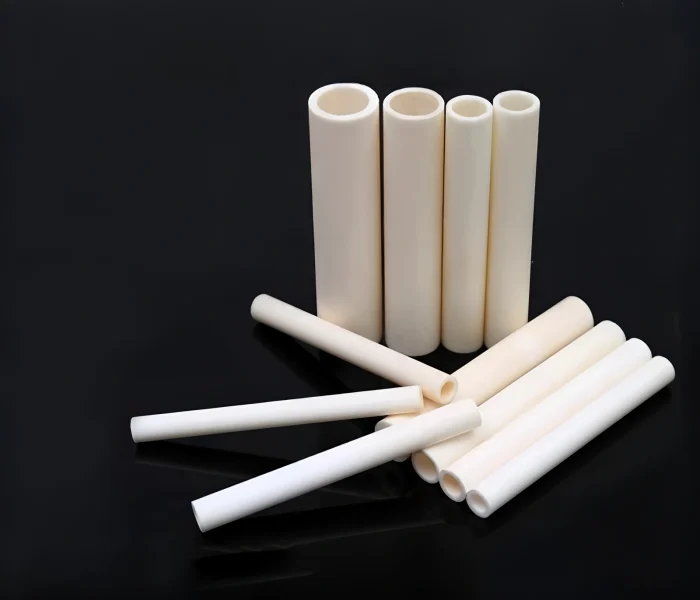
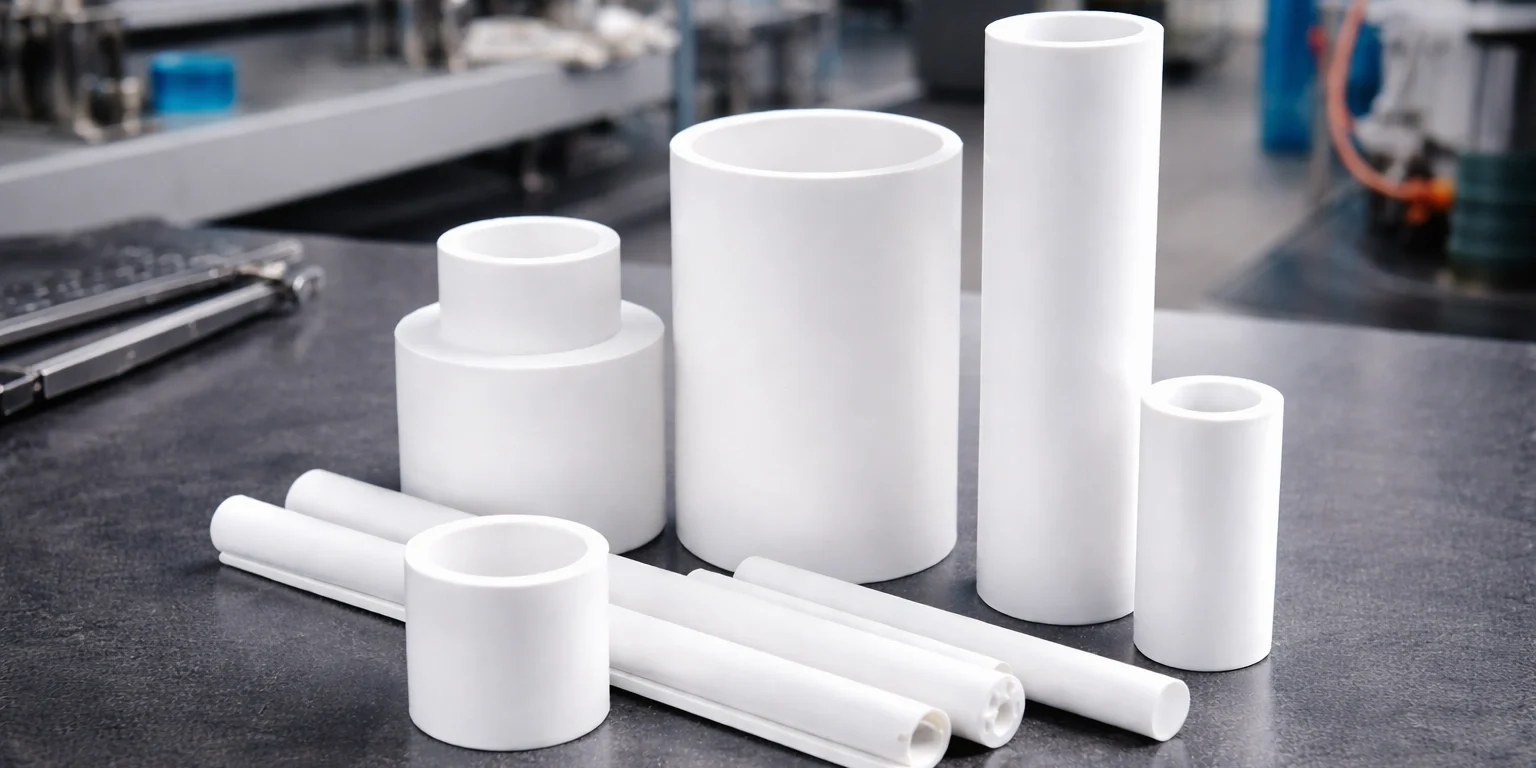
Ceramic tubes are hollow cylindrical components made from engineered ceramic materials such as alumina, zirconia, silicon carbide, ZTA and boron nitride.
They are used where metals or plastics fail – at high temperature, in aggressive atmospheres, under strong electrical insulation requirements or in highly abrasive flows.
Maintains strength where metal tubes deform.
Resists oxidation, chemicals, and abrasion.
Handles rapid heating and cooling with less cracking.
Provides dielectric insulation in high-temperature assemblies.
Supports tight tolerances and stable fit.
Helps reduce contamination in thermal and process systems.
Properties of Ceramic Tube
Ceramic tubes made mainly from high-purity alumina, with options in zirconia, boron nitride and silicon carbide, provide a strong mix of mechanical strength, thermal shock resistance, electrical insulation and chemical stability for demanding furnace, heater and process line duties.
Alumina Ceramic Tube
High-purity alumina tube combines strong electrical insulation, mechanical strength and chemical resistance at high temperature, ideal for furnace liners, guides and thermocouple protection.
| Alumina Grade | Max Use Temp (Unloaded) | Density (g/cm³) | Flexural Strength (MPa) | Thermal Conductivity (W/m·K) | Dielectric Strength (kV/mm) |
|---|---|---|---|---|---|
| 96% Al₂O₃ (White) | 1450 °C | 3.6–3.75 | 260 | 20 | ~15 |
| 99.5% Al₂O₃ (Ivory) | ≤1750 °C | 3.89 | 340 | 31 | ~17 |
| 99.7% Al₂O₃ (Ivory) | 1760 °C | 3.92 | 346 | 31–33 | ~23 |
| 99.99% Al₂O₃ (Ivory) | 1800 °C | 3.98 | 365 | 31–35 | 24 |
Zirconia Ceramic Tube
Zirconia tube offers very high toughness and thermal shock resistance, so tubes in stressed positions endure rapid heating and mechanical impact with low risk of cracking.
| Property | Specification |
| Maximum Working Temperature | up to ~2000 °C |
| Density | 6 g/cm³ |
| Thermal Expansion Coefficient | 10.3 × 10⁻⁶/K (25–1000 °C) |
| Thermal Conductivity | 2.2 W/m·K at 1000 °C |
| Chemical Stability | 0.08% mass loss after 24 h acid/alkali exposure at 1200 °C |
| Flexural Strength | 900 MPa at room temperature |
| Fracture Toughness | 8 MPa·m½ |
| Hardness (Vickers) | 12 GPa |
| Elastic Modulus | 210 GPa |
Boron Nitride Tube
Boron nitride ceramic tube is non-wetting to most molten metals, with good thermal shock resistance and easy release, reducing sticking and contamination.
| Property | Unit | Pyrolytic Boron Nitride | Hot Pressed Boron Nitride |
|---|---|---|---|
| Purity | % | 99.99% | 99.80% |
| Density | g/cm³ | 2.15–2.19 | 1.9–2.1 |
| Hardness | HVO.5 | 651 | 62 |
| Volume resistivity | Ohm·cm | 2×10¹⁴ | 1.2×10¹⁴ |
| Dielectric strength | kV/mm | 55 | 76 |
| Maximum working temperature | °C | 1000 (air), 2300 (vacuum) | 900 (air), 1850 (vacuum) |
| Bending strength | MPa | 173 (A direction) | 310 |
| Thermal conductivity | W/m·K | 60 (A direction) | 55 |
| Tensile strength | MPa | 112 (A direction) | 110 |
| Thermal expansion coefficient | 1/°C | 6×10⁻⁷ | 1.8×10⁻⁶ |
| Compressive strength | MPa | 154 (A direction) | 120 |
Silicon Carbide Tube
Silicon carbide tube for extreme heat and rapid cycling, with excellent thermal shock and corrosion resistance, typically used up to 1,600 °C in burners and radiant heaters.
| Property | Specification |
|---|---|
| Material System | RBSiC (80% SiC, 20% free Si) / SSiC (≥99% SiC) |
| Maximum Operating Temperature | ≤1380°C (RBSiC) / ≤1600°C (SSiC) |
| Bulk Density | 3.02 g/cm³ (RBSiC) / 3.10 g/cm³ (SSiC) |
| Open Porosity | <0.1% |
| Flexural Strength (20°C) | 250 MPa (RBSiC) / 380 MPa (SSiC) |
| Flexural Strength (1200°C) | 280 MPa (RBSiC) / 400 MPa (SSiC) |
| Compressive Strength | 1000–2200 MPa |
| Elastic Modulus | 330 GPa (RBSiC) / 420 GPa (SSiC) |
| Thermal Conductivity | 45 W/m·K (RBSiC) / 74 W/m·K (SSiC) |
| Thermal Expansion Coefficient | 4.1–4.5 ×10⁻⁶/K |
| Hardness | 2600–2800 kg/mm² |
| Chemical Stability Range | pH 0-10 |
| Oxidation Stability | <1% microstructural oxidation after 50 cycles (1000°C → RT) |
How to Choose Your Ceramic Tube — Quick Decision Guide
Answer these questions to quickly identify the right ceramic tube material and configuration for your application:
Step 1: What is Your Maximum Operating Temperature?
Maximum operating temperature is the first key factor in ceramic tube selection. It quickly helps identify the most suitable material range.
| Temperature Range | Recommended Material | Link |
|---|---|---|
| ≤1600°C (general use) | Alumina (96-99%) — best cost/performance balance | Alumina Tubes → |
| ≤1800°C (highest purity) | Alumina (99.7-99.99%) — ultra-high purity | Alumina Tubes → |
| ≤1600°C + thermal shock | Silicon Carbide (SiC) — best thermal shock resistance | SiC Tubes → |
| ≤1500°C + high toughness | Zirconia (ZrO₂) — best fracture toughness | Zirconia Tubes → |
| ≤2300°C (vacuum) | Boron Nitride (BN) — molten metal contact | BN Tubes → |
Step 2: What Is Your Primary Application Challenge?
Once temperature is defined, the next step is to choose based on the main performance challenge. Different ceramic materials perform better under different service demands.
| Your Challenge | Best Material Choice | Why |
|---|---|---|
| Electrical insulation | Alumina or BN | High dielectric strength; volume resistivity >10¹⁴ Ω·cm |
| Rapid thermal cycling | Silicon Carbide | Highest thermal conductivity (45-120 W/m·K); best shock resistance |
| Mechanical impact/stress | Zirconia or ZTA | Fracture toughness 8-12 MPa·m½ |
| Molten metal contact | Boron Nitride | Non-wetting; easy release; no contamination |
| Corrosive gas/acid | Silicon Carbide | Excellent chemical inertness; pH 2-12 stable |
| Low contamination/high purity | High-purity Alumina (99.7%+) | Minimal outgassing; clean surfaces |
| Cost-sensitive application | Alumina (96%) | Lowest cost among high-temp ceramics |
Step 3: What Tube Configuration Do You Need?
Tube configuration should match the way the ceramic part is installed and used. The right design improves function, assembly, and service life.
Still not sure? Share your temperature, atmosphere, and application details — our engineers will recommend the optimal ceramic tube.
| Application | Recommended Configuration | Link |
|---|---|---|
| Tube furnace/gas flow | Open both ends | Open-end Tubes → |
| Thermocouple protection | One end closed | Closed-end Tubes → |
| Multiple wire/element routing | Multi-bore (2, 4, 6 holes) | Multi-bore Tubes → |
| Anti-rotation/flat mounting | Square tube | Square Tubes → |
| Metal housing connection | Flanged or threaded | Flanged Tubes → |
| Gas diffusion /aeration | Porous tube | Porous Tubes → |
Ceramic Tube Material Comparison — Quick Reference
Compare key properties across all ceramic tube materials at a glance:
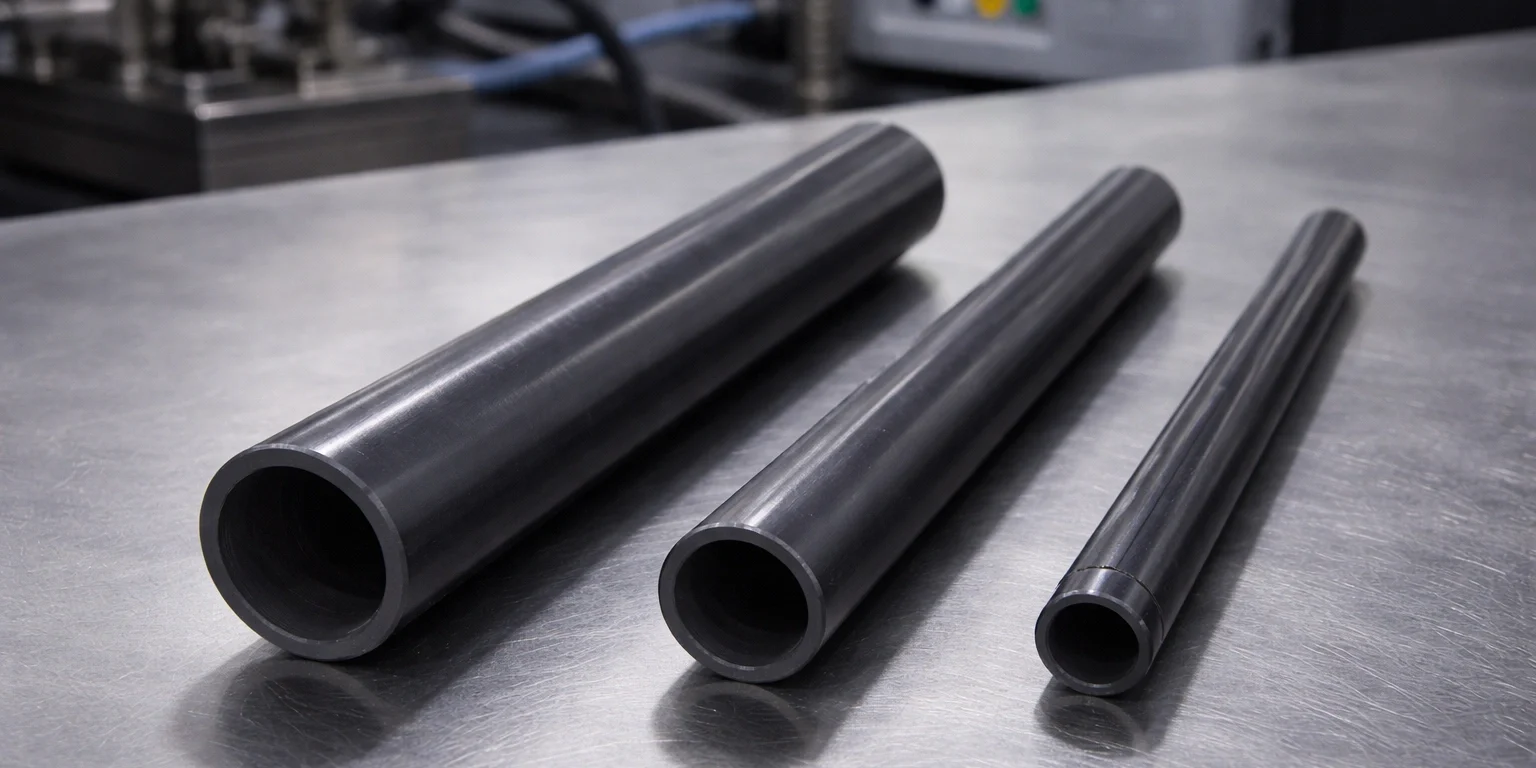
Max Temp (°C):1600-1800
Thermal Conductivity:20-42 W/m·K
Thermal Shock: Good (ΔT 150-225°C)
Electrical Insulation: Excellent
Fracture Toughness:3-4 MPa·m½
Molten Metal Contact: Limited
Cost: Low
Best For: General furnace, insulation
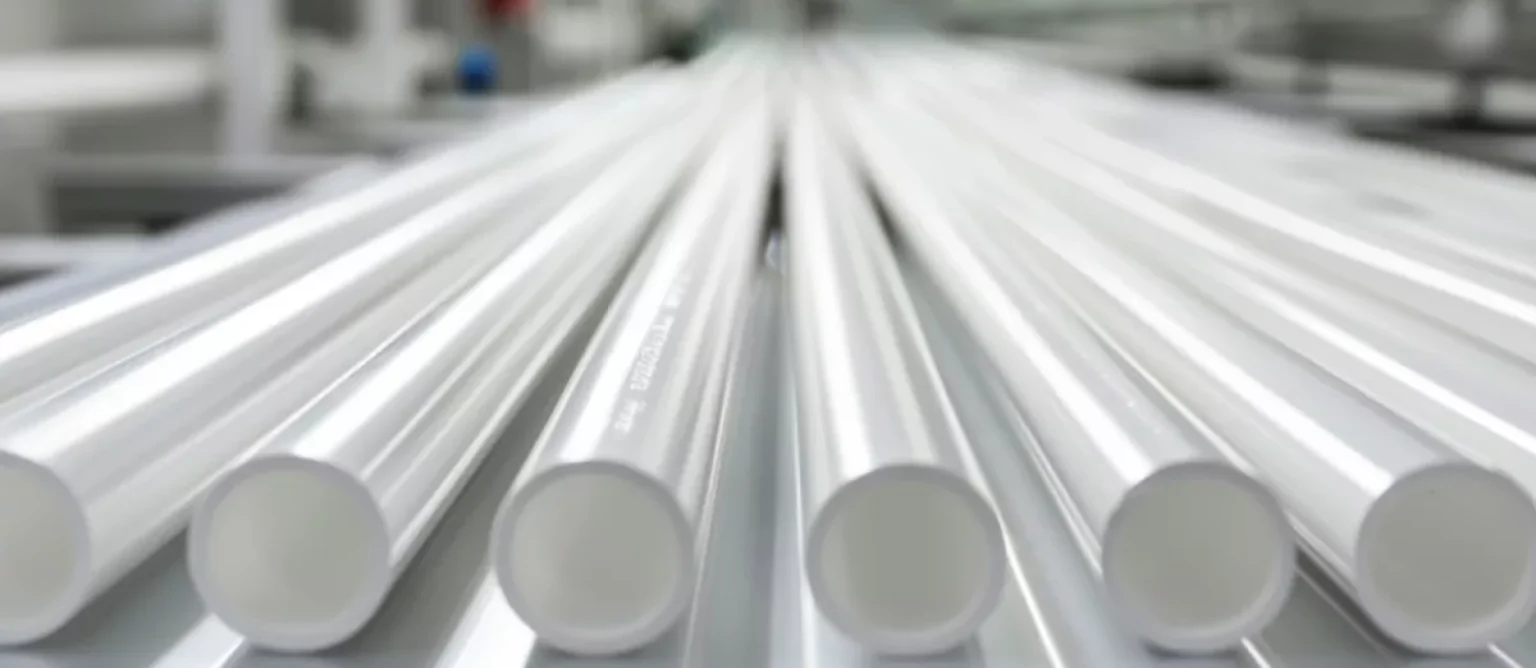
Max Temp (°C):1380-1600
Thermal Conductivity:45-120 W/m·K
Thermal Shock: Excellent
Electrical Insulation: Semi-conductive
Fracture Toughness: 3-4 MPa·m½
Molten Metal Contact: Good
Cost: High
Best For: Burners, radiant tubes, thermal shock
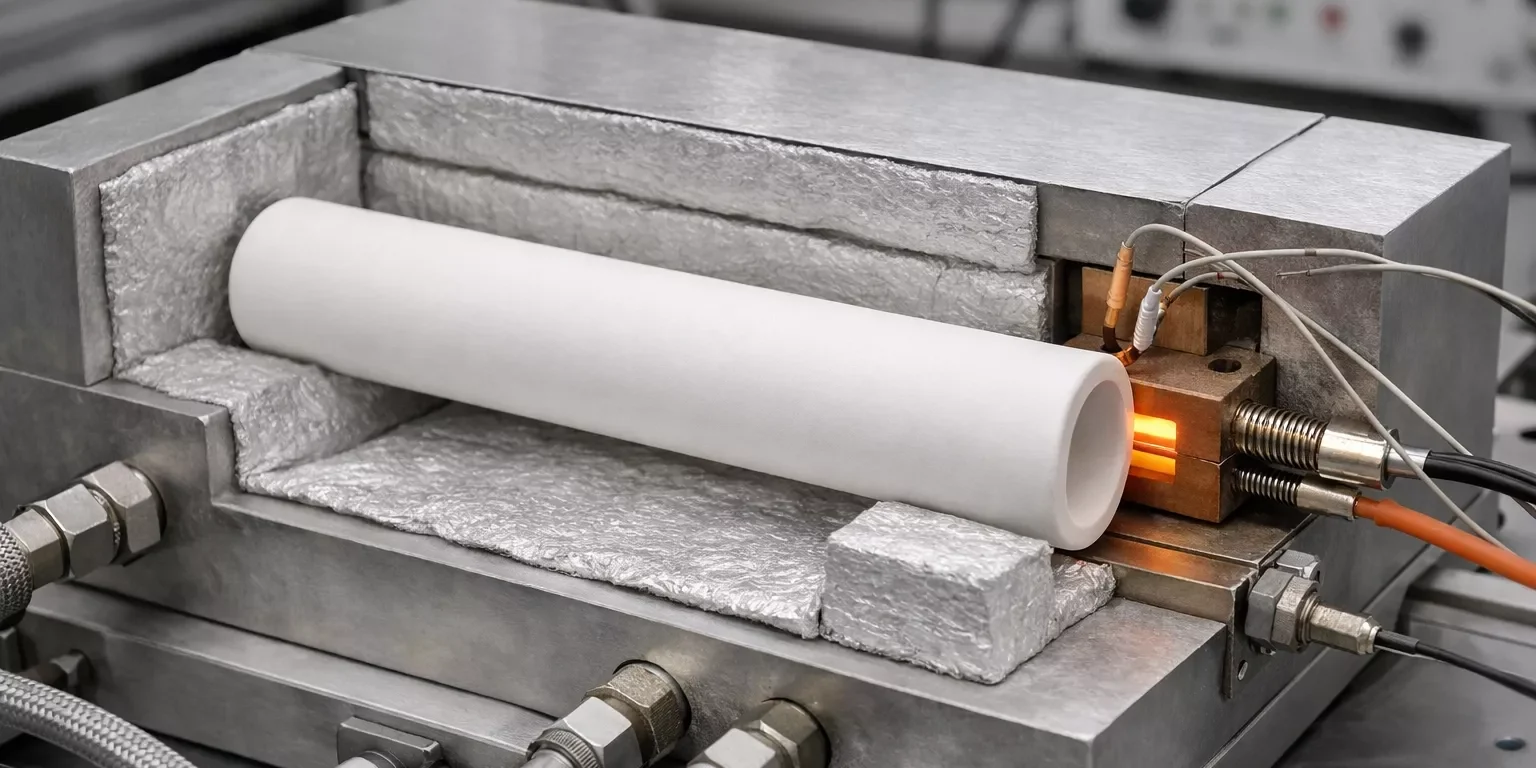
Max Temp (°C):1500
Thermal Conductivity: 2-3 W/m·K
Thermal Shock: Excellent
Electrical Insulation: Good
Fracture Toughness: 8-12 MPa·m½
Molten Metal Contact: Good
Cost: High
Best For: Impact-prone, small diameter
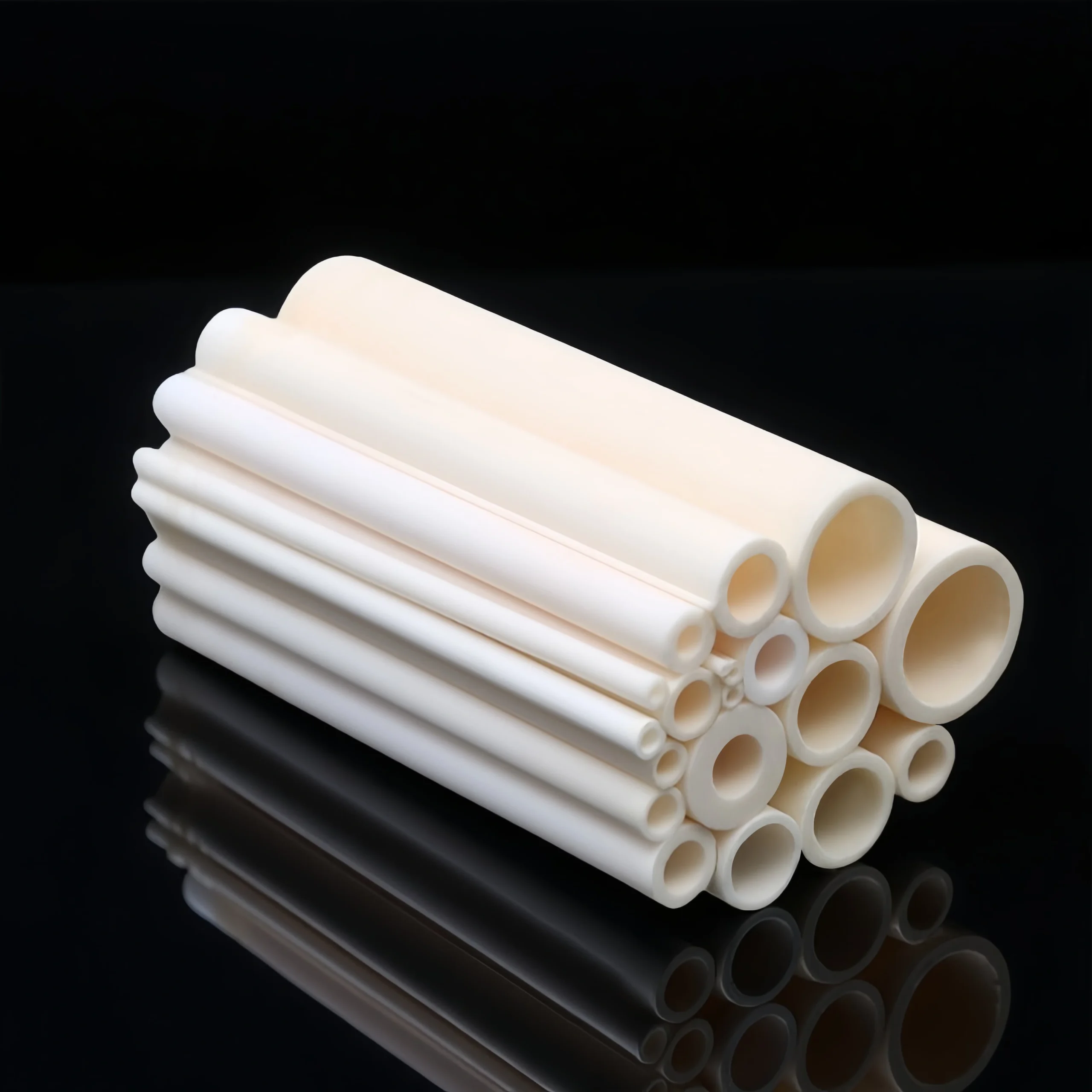
Max Temp (°C):1000 (air) / 2300 (vacuum)
Thermal Conductivity: 55-60 W/m·K
Thermal Shock: Excellent
Electrical Insulation: Excellent
Fracture Toughness: Low
Molten Metal Contact: Excellent (non-wetting)
Cost: Very High
Best For: Molten metal, vacuum, non-wetting
China Ceramic Tube and Pipe Products
Compare ceramic tubes by material, bore design and application. Choose alumina, mullite, silicon carbide, zirconia or other routes — single-bore, multi-bore, closed-end, flanged or lined — to match your furnace, sensors, heaters and process lines.

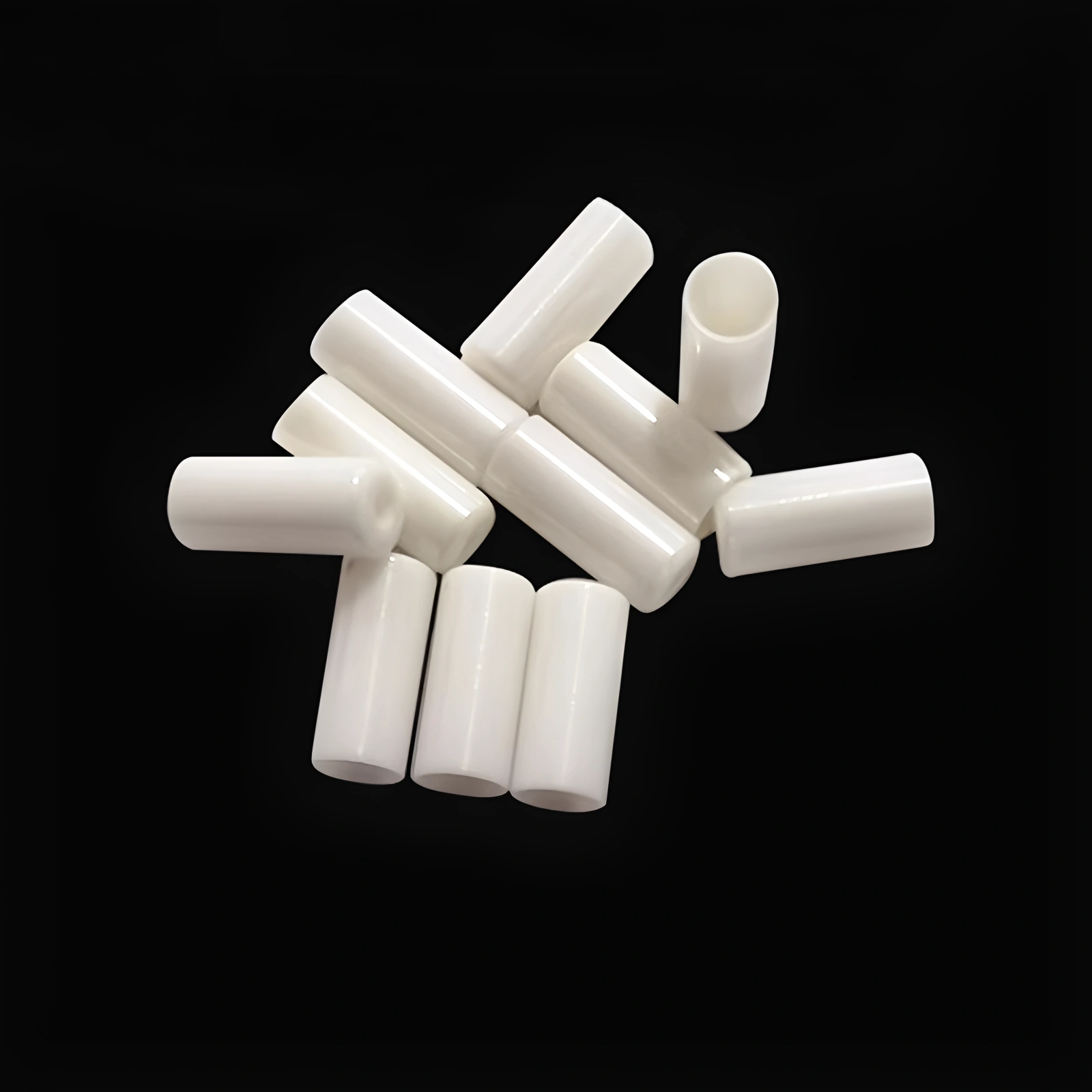
alumina ceramic tube
Alumina tube for high-temperature insulation, with stable dimensions, dielectric strength and clean surfaces.
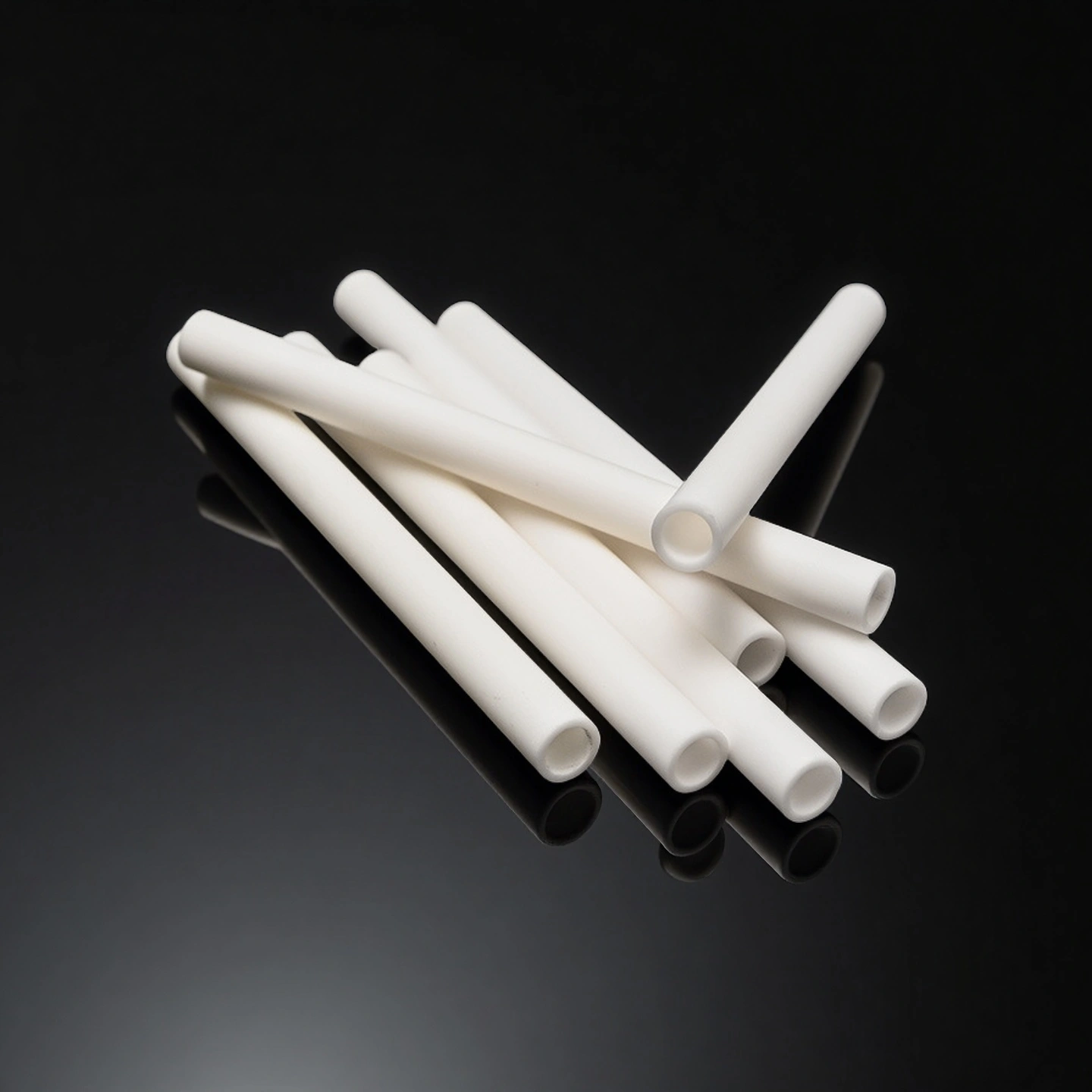
zirconia ceramic tube
Tough Zro2 tube for stressed positions, combining high fracture strength, tight tolerances and thermal stability.
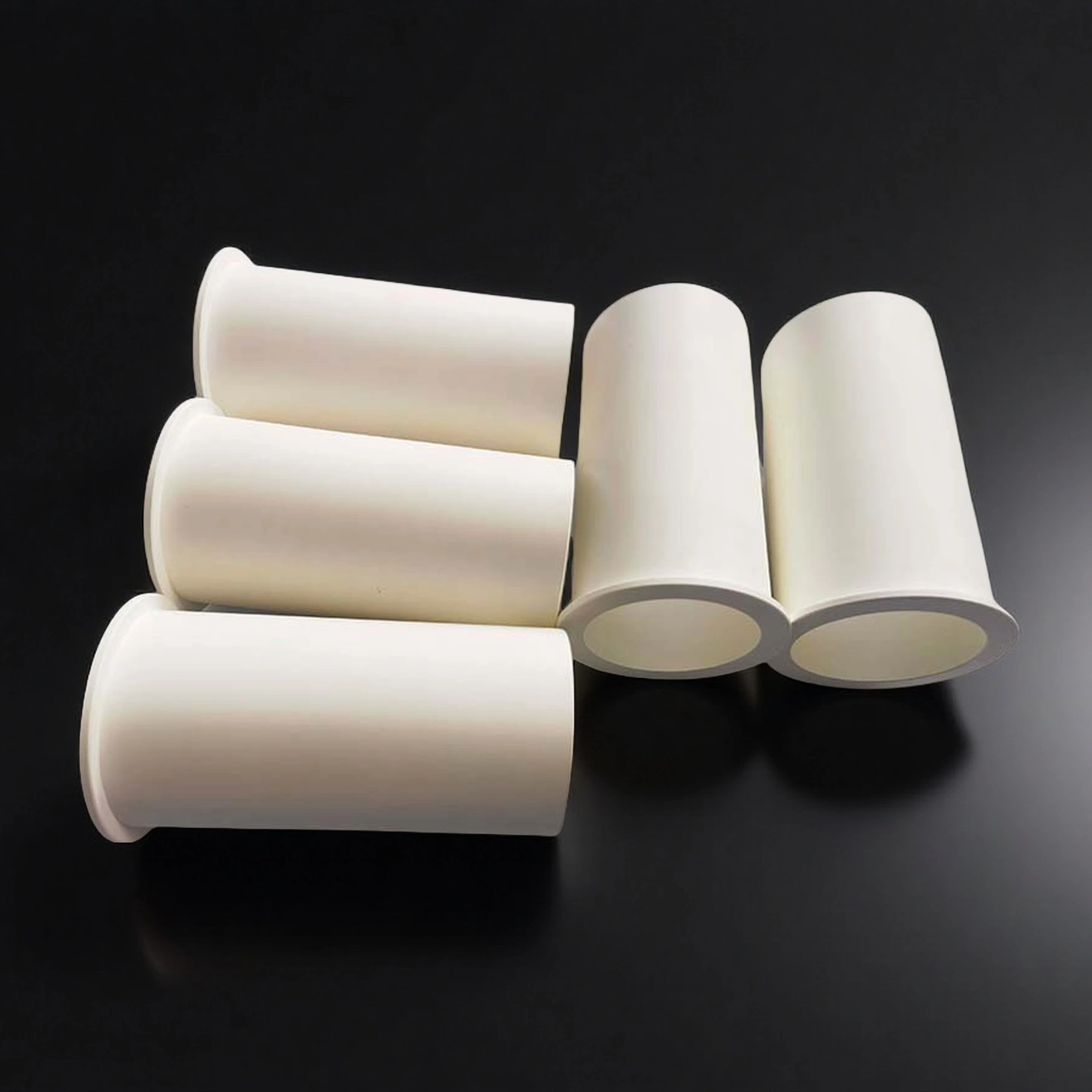
ZTA Ceramic Tube
ZTA tube offering alumina hardness with toughness, resisting chipping and abrasion in cyclic loading.
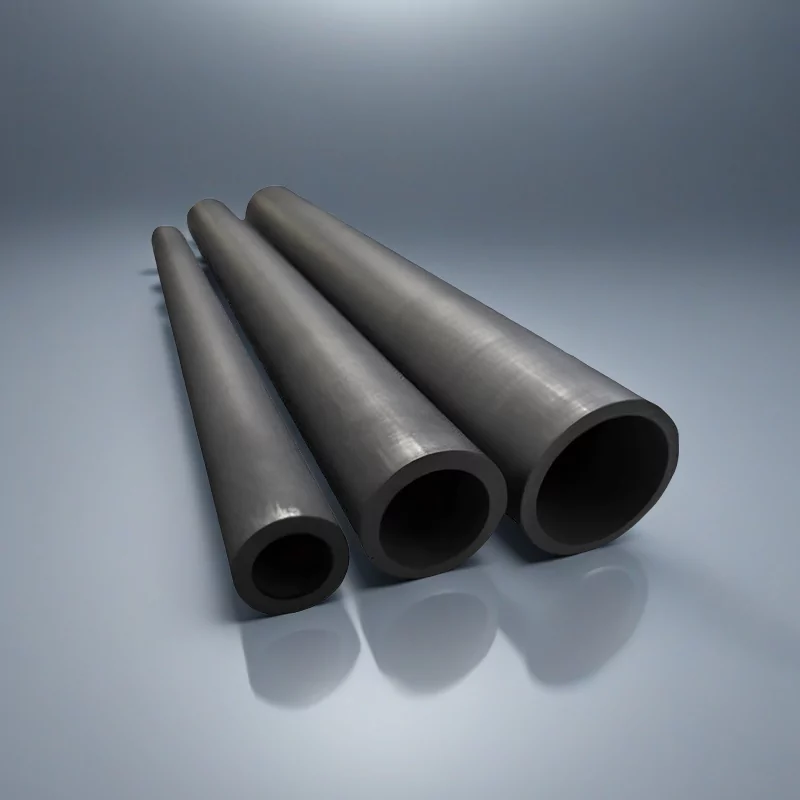
Silicon Carbide Tube
Silicon carbide tube for extreme heat and rapid cycling, with excellent thermal shock and corrosion resistance.
boron nitride tube
Non-wetting BN ceramic tube for molten metals, offering excellent thermal shock resistance and easy release from metal contact.
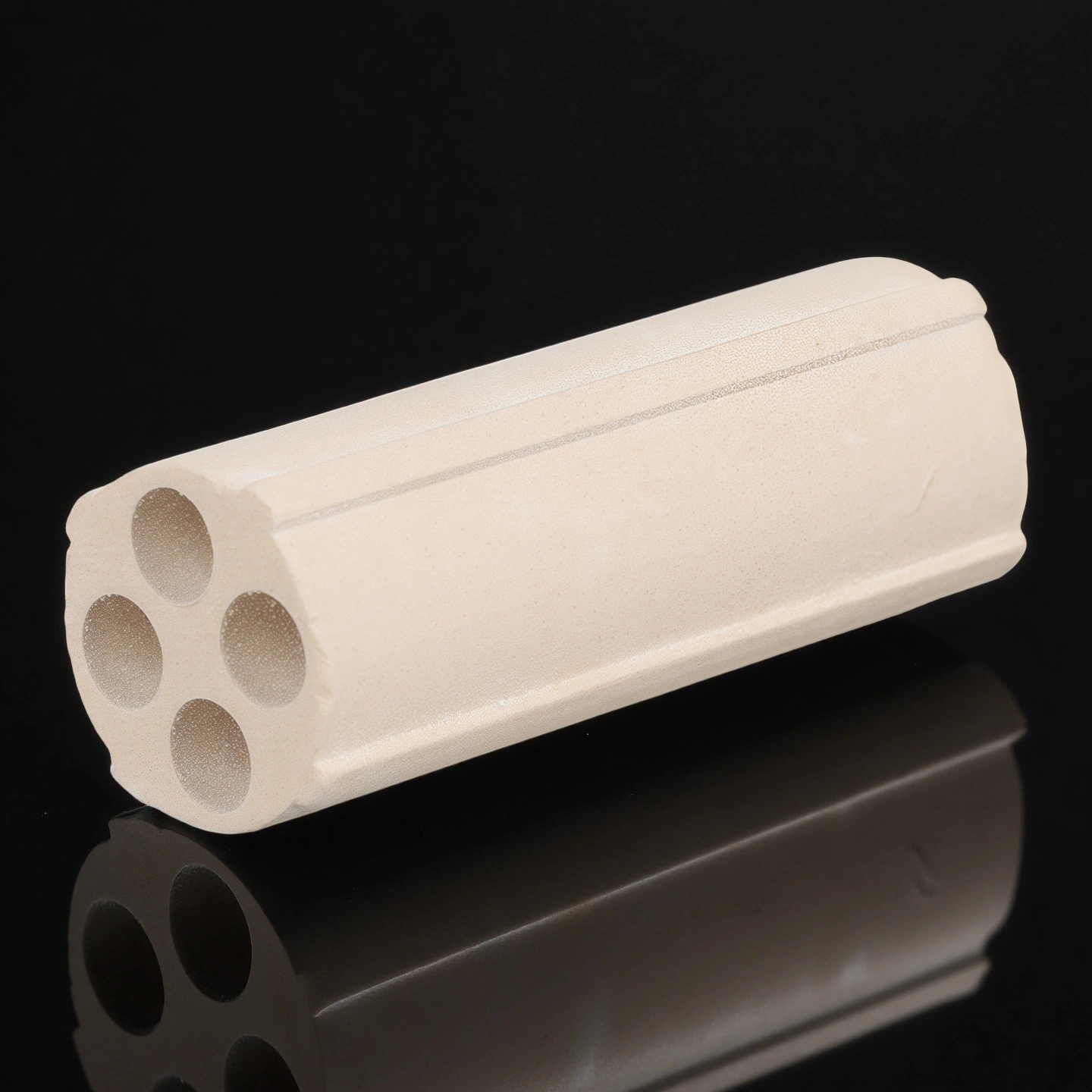
magnesia tube
Mgo tube with good basic slag resistance and thermal stability, suited to high-temperature alkali or lime-bearing environments.
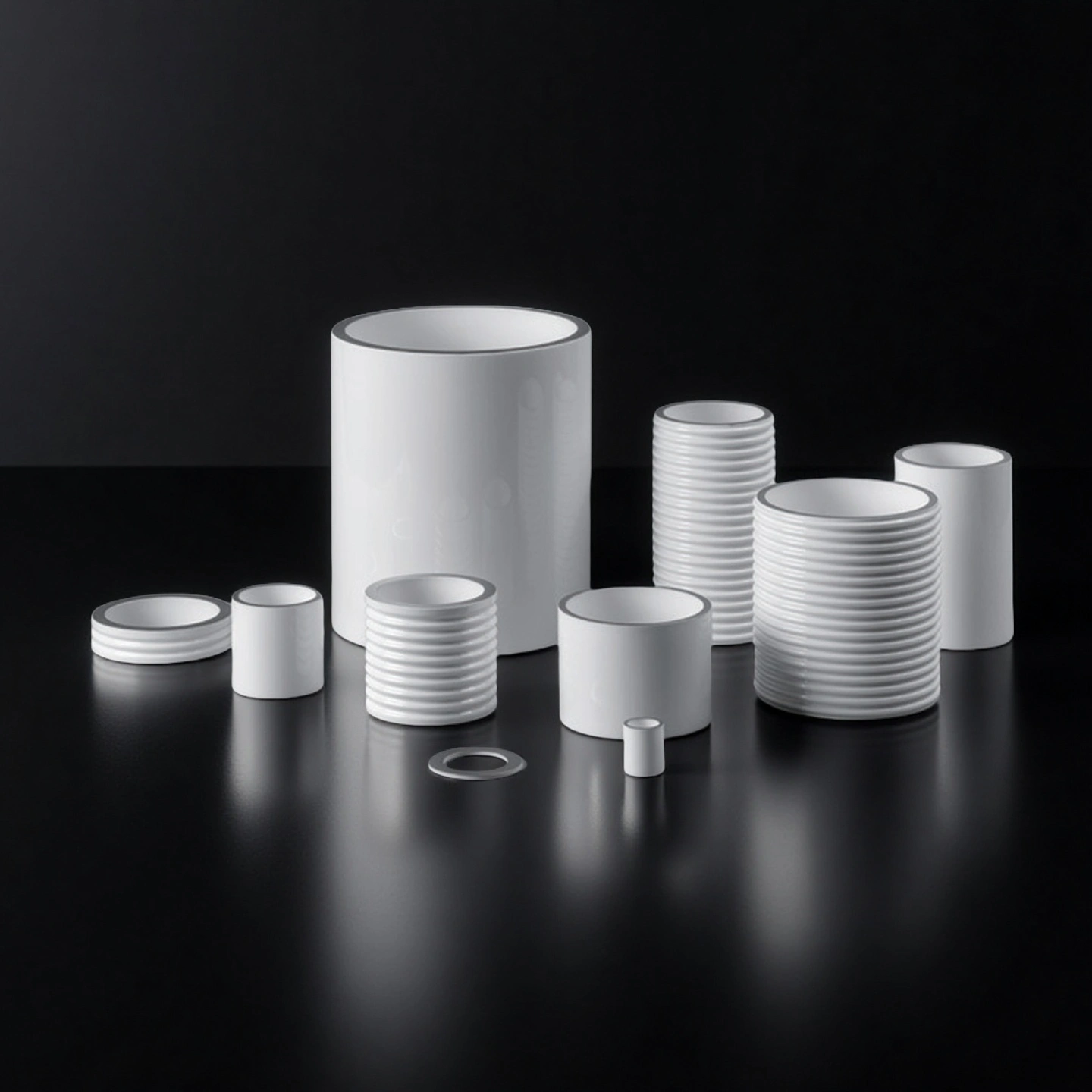
metalization ceramic tube
Metalization ceramic tube with metallized layers for brazing, enabling vacuum-tight ceramic-to-metal joints.
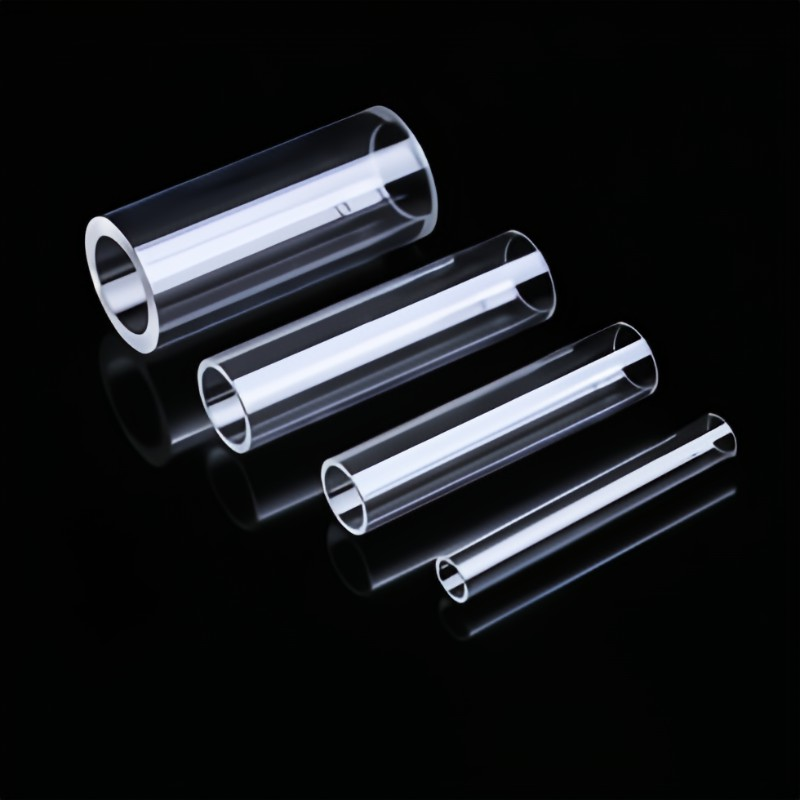
transparent ceramic tube
Transparent ceramic tube providing clarity, heat resistance and insulation for ports, sensor housings and light guides.
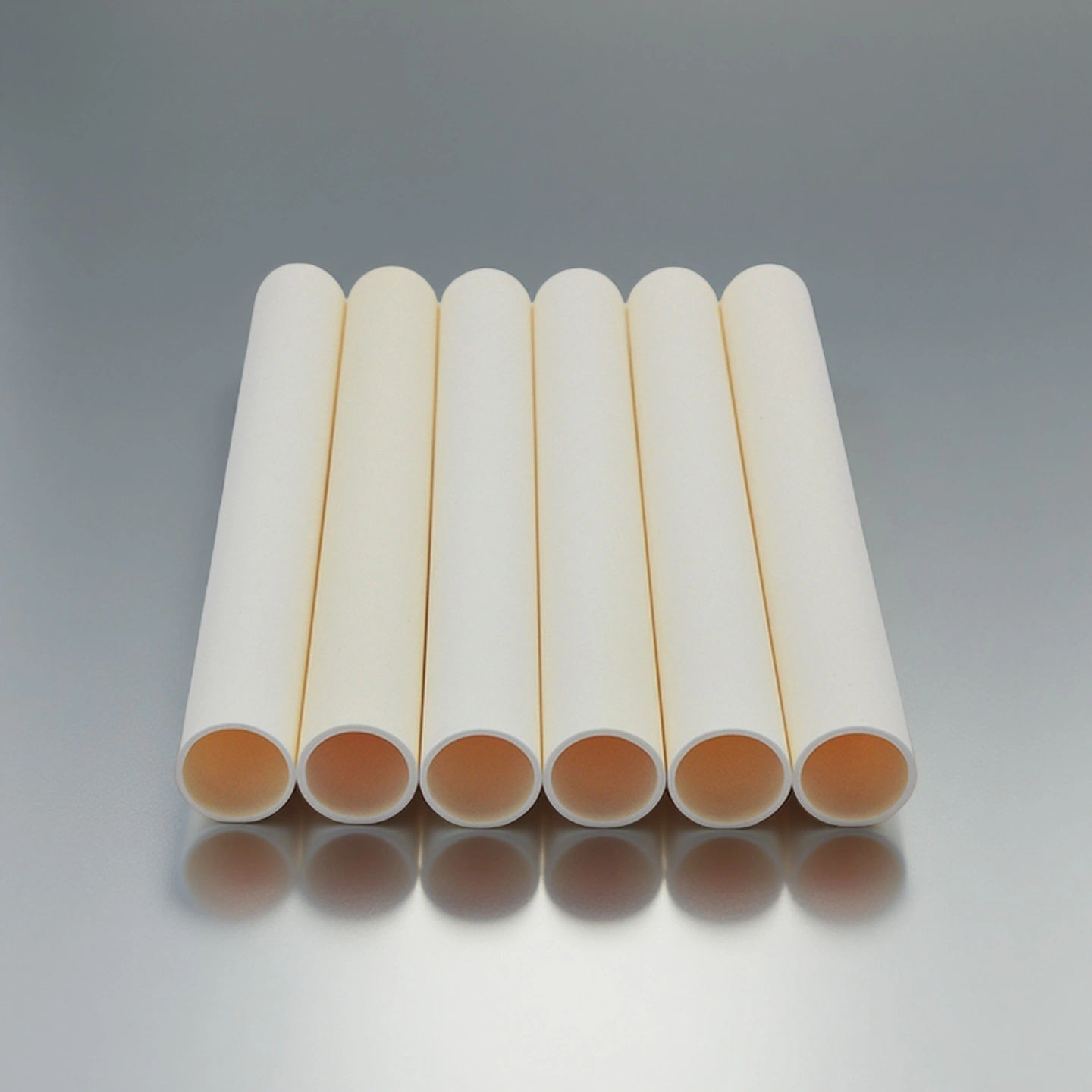
Ceramic Pipe, Open Both Ends
Open-both-ends ceramic pipe for heating gas paths, offering alignment, contamination control and integration into furnace lines.
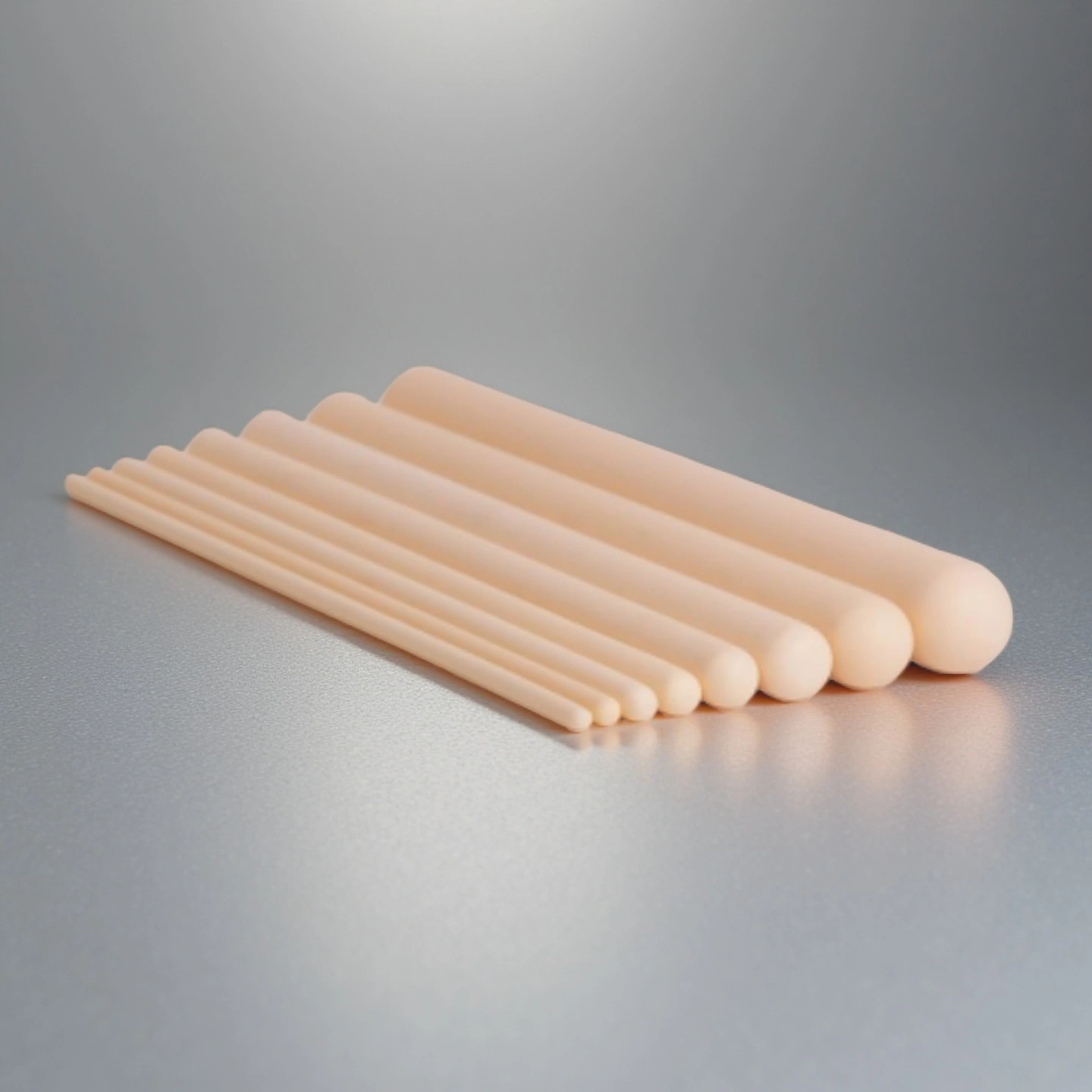
ceramic tube, one end closed
One-end-closed ceramic tube for sealed hot zones, protecting sensors or media from flame, molten metal and aggressive gases.
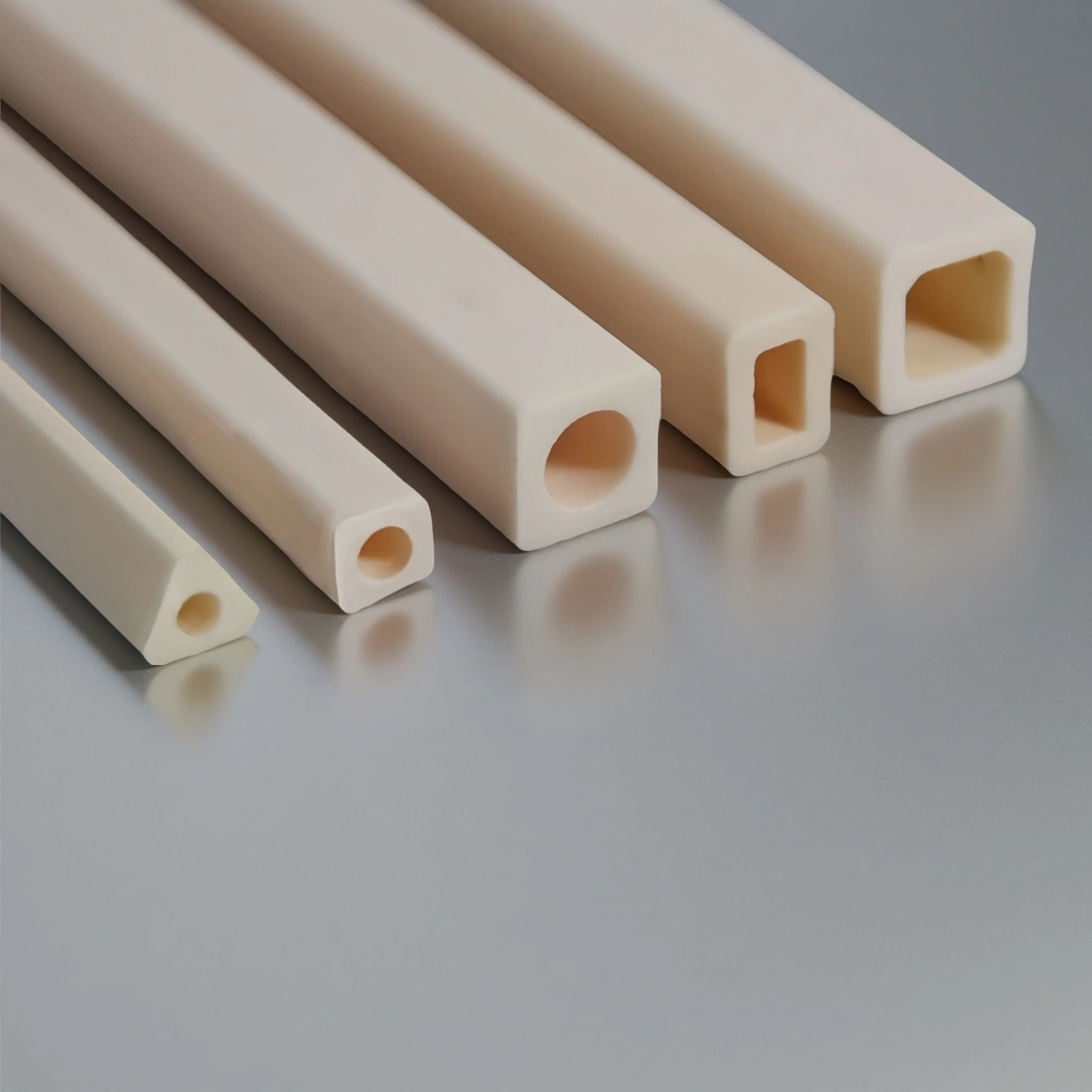
Square Ceramic Tube
Square ceramic tube with flat faces for anti-rotation mounting, easy fixturing and uniform contact in heater, support or guide assemblies.
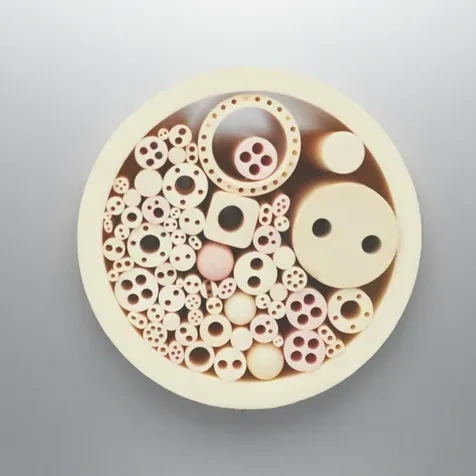
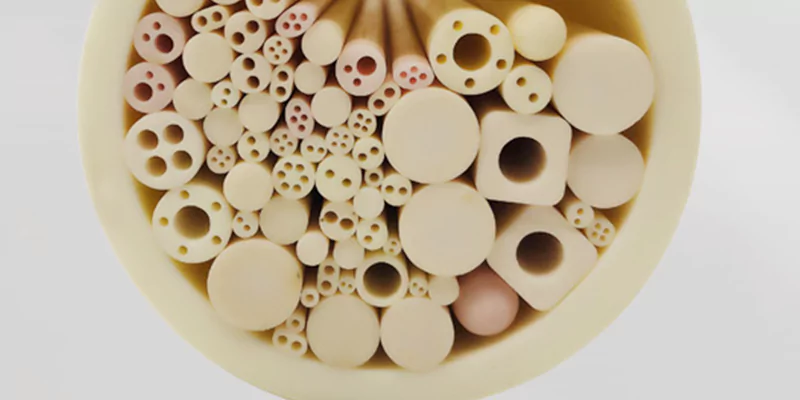
Multi-Bore Ceramic Tube
Multi-bore ceramic tube routes multiple wires or media in one compact part, giving precise spacing, improved insulation and easier assembly in tight spaces.
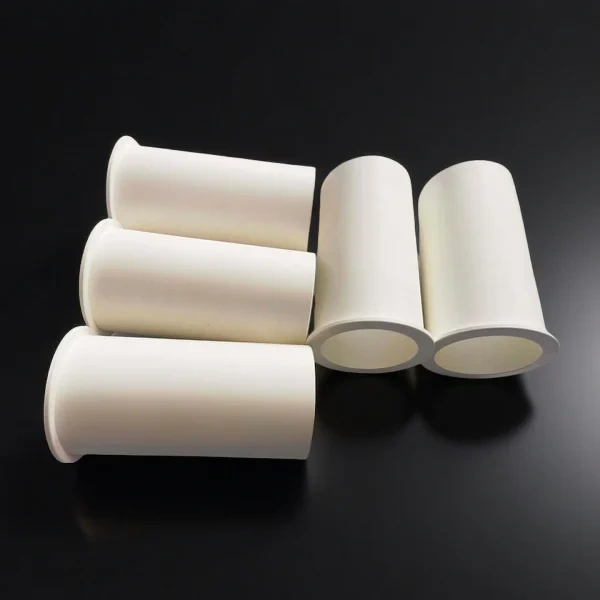
ceramic tube with flange
Ceramic tube with flange allows direct bolting to metal housings, improving alignment, sealing and replacement speed in furnaces, heaters and process lines.

threaded ceramic tubes
Threaded ceramic tubes provide screw-in mounting, adjustable positioning and insulation where components stay fixed under heat and vibration.
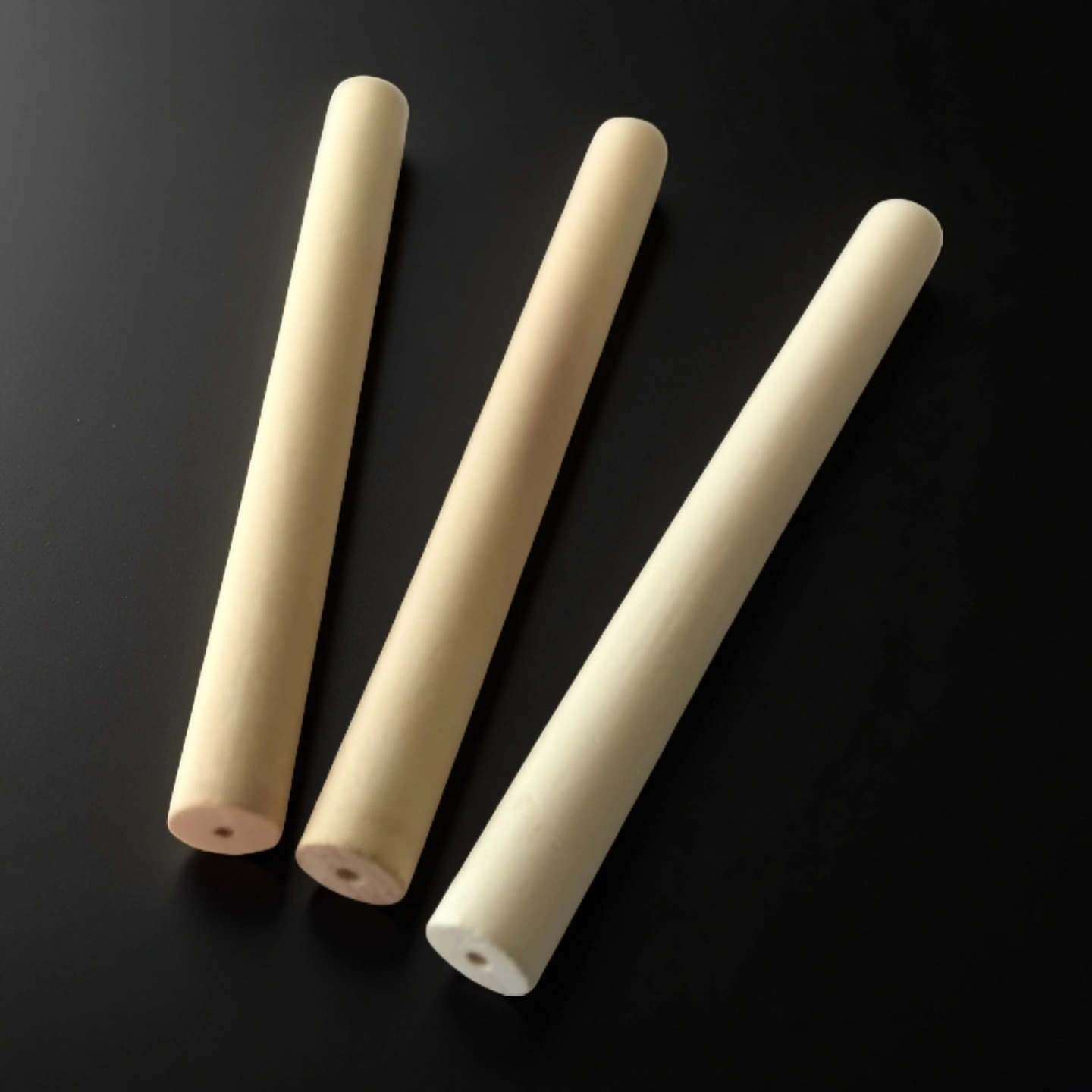
porous ceramic tube
Porous ceramic tube for gas diffusion, aeration and filtration in chemical systems where controlled permeability and heat resistance matter.

ceramic thermocouple tubes
ceramic thermocouple protection tubes shield wires from flame, molten metal and gases, giving insulation and stable readings in furnaces and process lines.
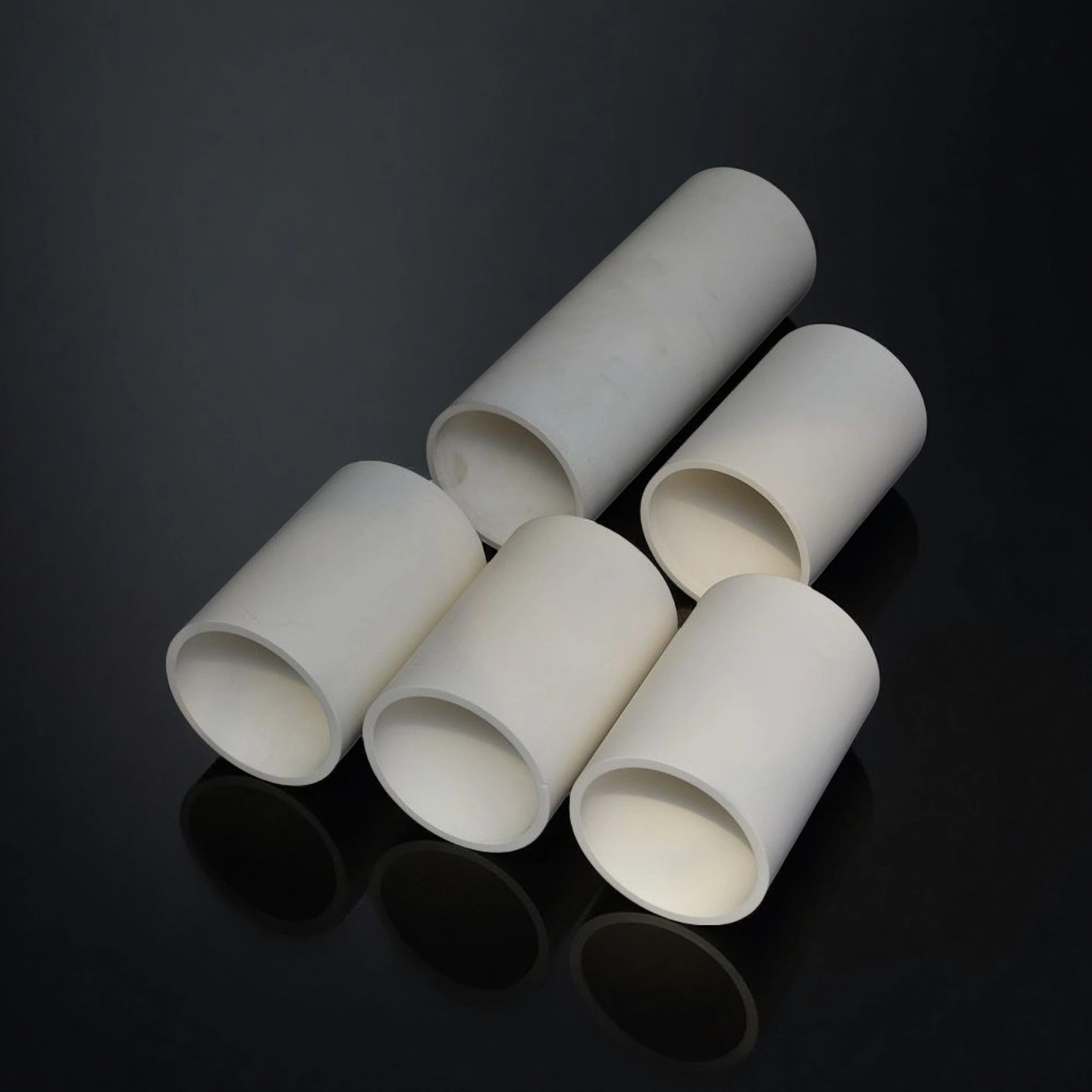
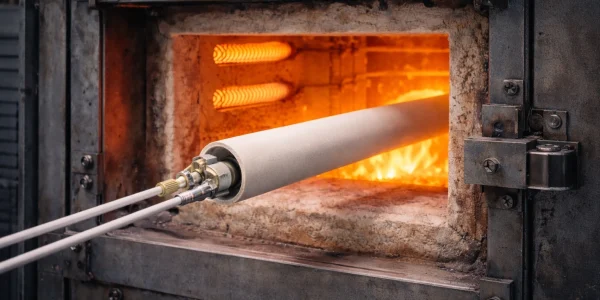
ceramic tube for furnace
Ceramic tube for furnace service used as process tube, burner tube or support in industrial heat-treatment, sintering and firing equipment.
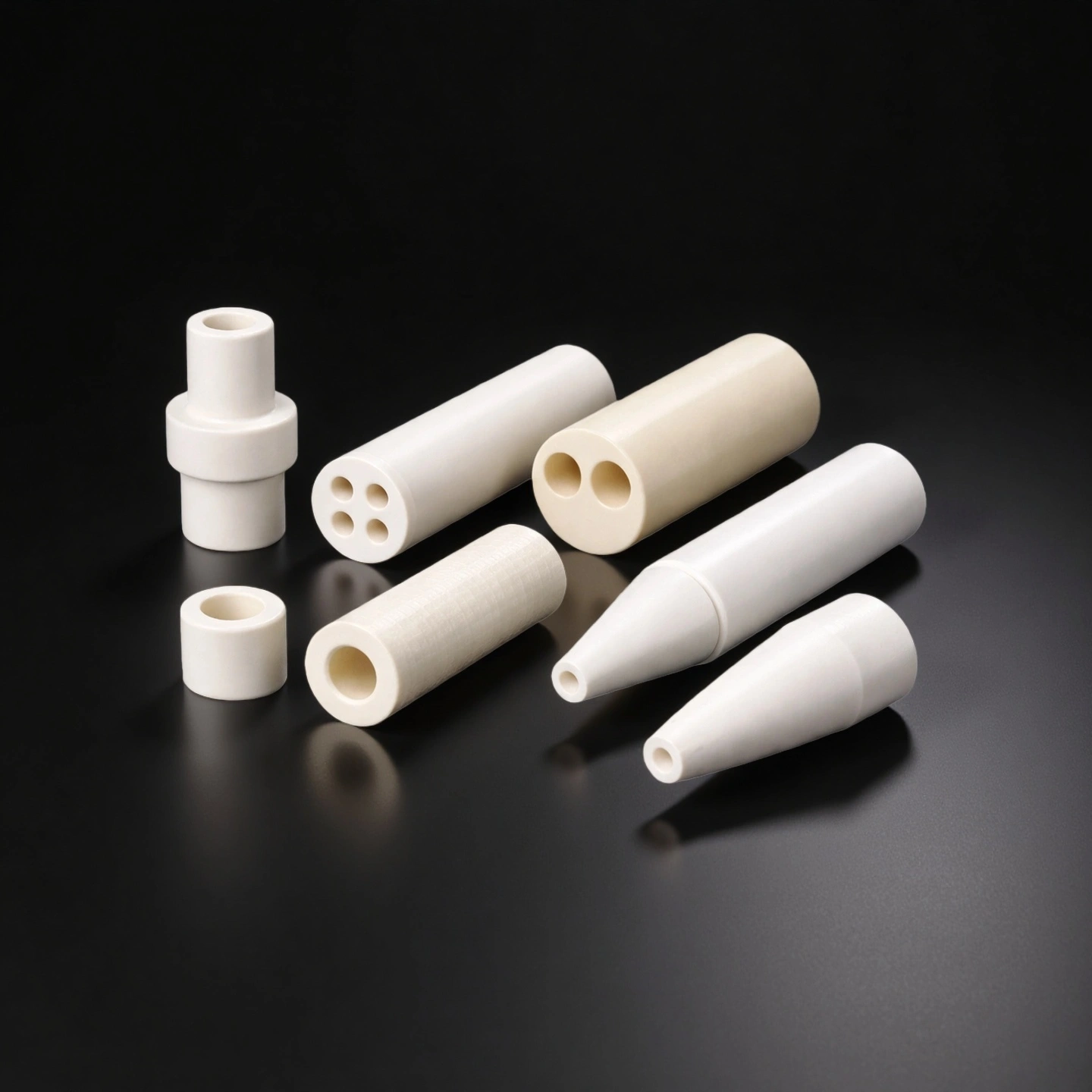
ceramic insulating tube
Ceramic insulating tubes sleeve hot conductors and heater leads, providing high-temperature insulation and shielding to prevent tracking, short circuits and damage to nearby parts.
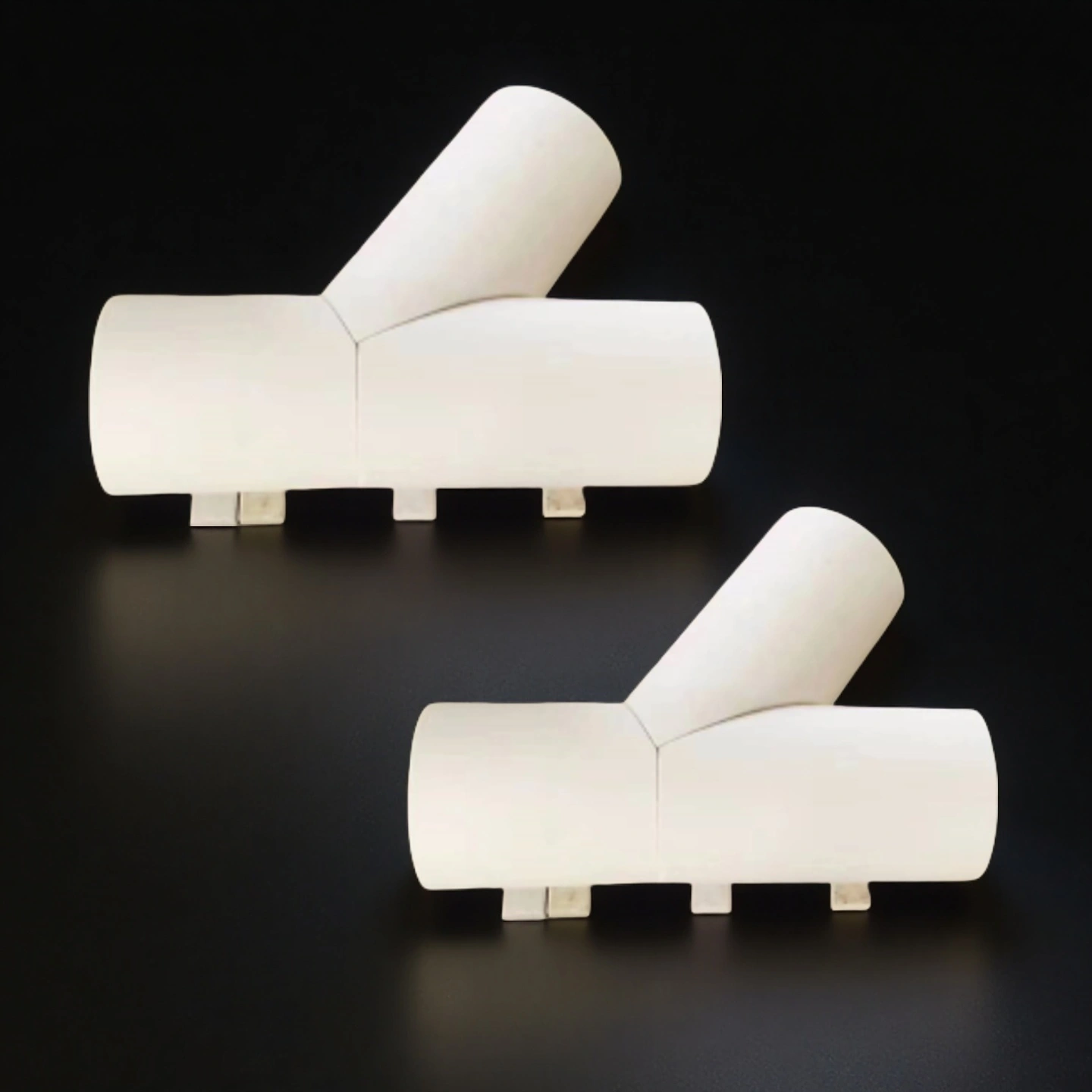
ceramic lining tube
Ceramic-lined tube and pipe for corrosive flow, combining a steel shell with a wear-resistant bore to extend service life and reduce shutdowns.
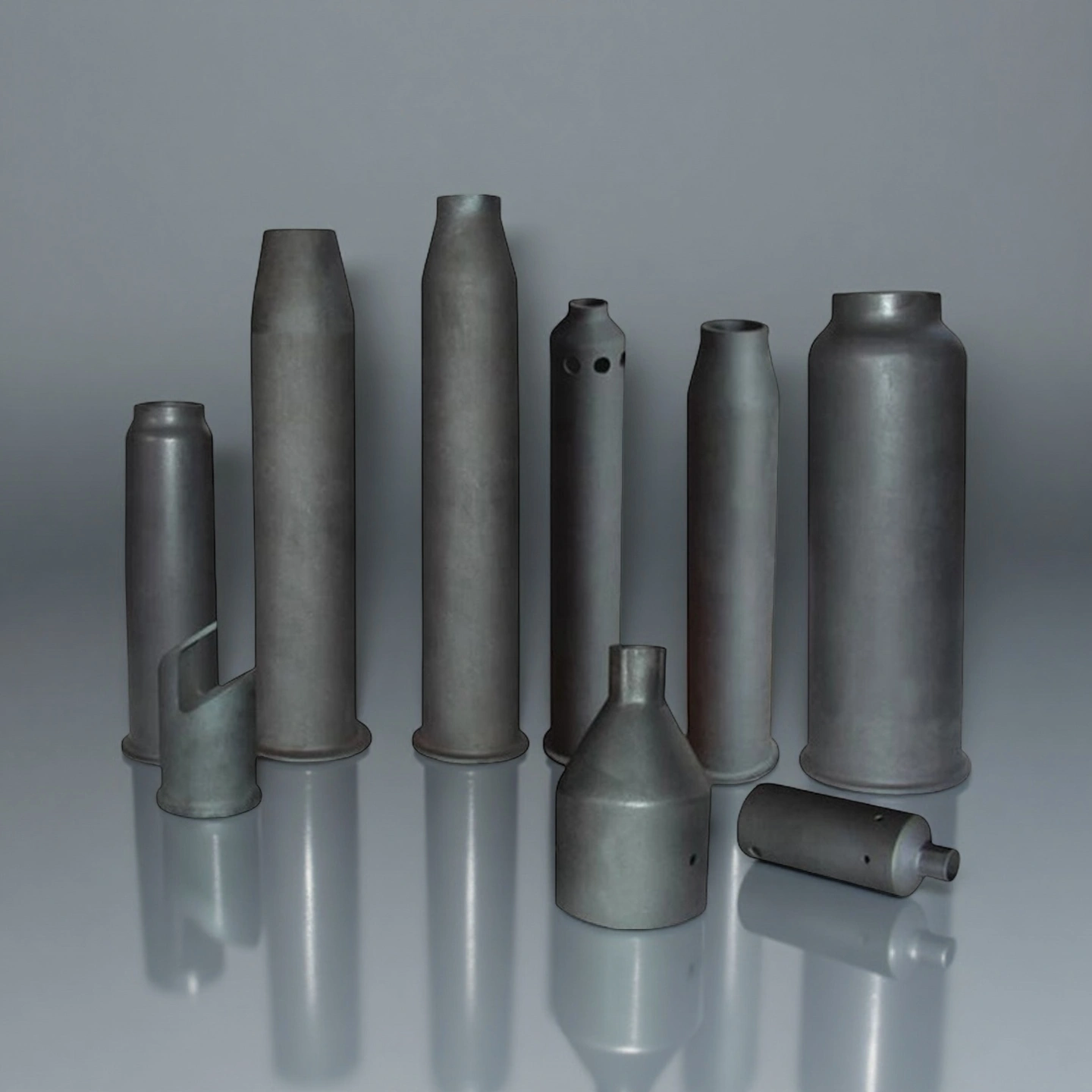
ceramic burner tube
Ceramic burner tubes form a heat-resistant throat for gas or oil burners, shaping the flame, shielding metal parts from direct fire and thermal shock, and helping maintain stable combustion.
Not Sure Which Ceramic Tube Fits Your Furnace or Equipment?
Share your drawing and key conditions—temperature, atmosphere, media and duty cycle—and we’ll recommend the best ceramic tube or pipe material and design, ready for repeatable production.
What Are Ceramic Tubes Used For?
Ceramic tubes are used wherever metal or plastic cannot survive the temperature, chemistry or abrasion of a process. In industrial equipment they serve as furnace and work tubes, thermocouple protection tubes, insulating tubes and process liners — keeping measurements accurate and equipment stable at high temperature.
Furnace & Work Tubes
Work, process and burner tubes for furnaces, kilns and tube heaters.
- They carry hot gases, combustion products or protective atmospheres and hold their shape where steel creeps or scales — so heat-treatment and firing stay consistent.
Tubes and liners for corrosive or abrasive media.
- They guide aggressive gases, slurries or melts where metal corrodes and plastic fails. Material route selected by chemistry, temperature and abrasion, confirmed by application review.
Kiln & heat-treatment
Protection and support tubes for kilns, sintering and heat-treatment lines.
- They survive repeated heating cycles and furnace atmospheres — a steady replacement item as old tubes crack or wear. ADCERAX replicates worn tubes from a photo or drawing for stable resupply.
Send the tube use, material, OD / ID / length and operating temperature and atmosphere — or a photo of the old part. Our engineers review manufacturability before quoting.
Custom Ceramic Tube Supplier
ADCERAX is a China ceramic tube manufacturer specialising in custom-made tubes and pipes for industrial equipment and laboratory furnaces. We tailor length, bore design, wall thickness, material grade and end features to your drawings, while keeping key standard ceramic tube sizes in stock for urgent maintenance and small projects.
Customization Options
Extra-large / Extra-small diameters, non-standard thicknesses, and ultra-long / ultra-short lengths.
Tighter dimensional and concentricity control than standard, confirmed by drawing review.
Flanges, steps, threads, drilling holes, grooves, etc.
Adjust the material according to the application requirements.
Polish and grind the surface to achieve a specific surface roughness.
Customization Process
Send us your drawing, CAD file, or physical sample with material grade, dimensions, tolerances, and quantity. Our engineers will evaluate the design and provide a detailed quotation with lead time and pricing.
Once the quote is approved, we proceed with sample prototyping (1–50 pcs) if needed, for testing and validation.
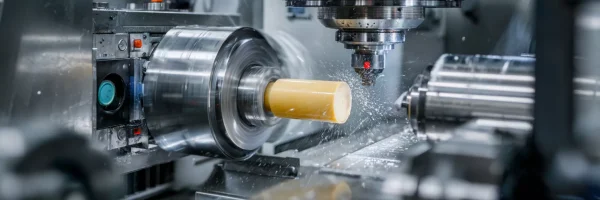
After sample approval or direct confirmation, we begin batch manufacturing using CNC machining, sintering, and polishing. All parts undergo dimensional checks, material purity testing, and surface finish inspection.
Finished products are securely packed and shipped via DHL/FedEx/UPS or your preferred method. We support global delivery with full documentation.
ADCERAX: A Reliable Source for Ceramic Tubes
ADCERAX is a ceramic tube manufacturer, supplying custom and standard tubes with controlled materials and tight tolerances. Engineering support, fast sampling and reliable export logistics make ceramic tube sourcing efficient and predictable.
Forming, sintering, precision machining and inspection in-house, with controlled materials.
Engineers confirm the material route and manufacturability from your drawing or old-part photo.
Complex geometries and old-part replication, from prototype to repeat production.
Dimensional inspection and batch consistency; quality documents provided on request.
China Industrial Ceramic Pipes Factory-ADCERAX
ADCERAX manufactures advanced ceramic components on a manufacturing base operating since 2010, focused on ceramic tubes in high-purity alumina, mullite, zirconia and silicon carbide for high-temperature and demanding environments.
We supply custom and standard ceramic tubes for tube furnaces, thermocouple protection, burner systems, kilns and high-temperature process lines, serving overseas industrial users and OEMs that need stable, low-contamination and long-life tube performance.
Ceramic Tube Processing Strength
ADCERAX controls every step, from forming to finishing, to keep the ceramic tube ID, OD, wall thickness and straightness consistent. Tuned sintering profiles and 100% visual checks for cracks deliver strong, thermal-shock-resistant ceramic tubes and pipes that run reliably over many furnace and process cycles.
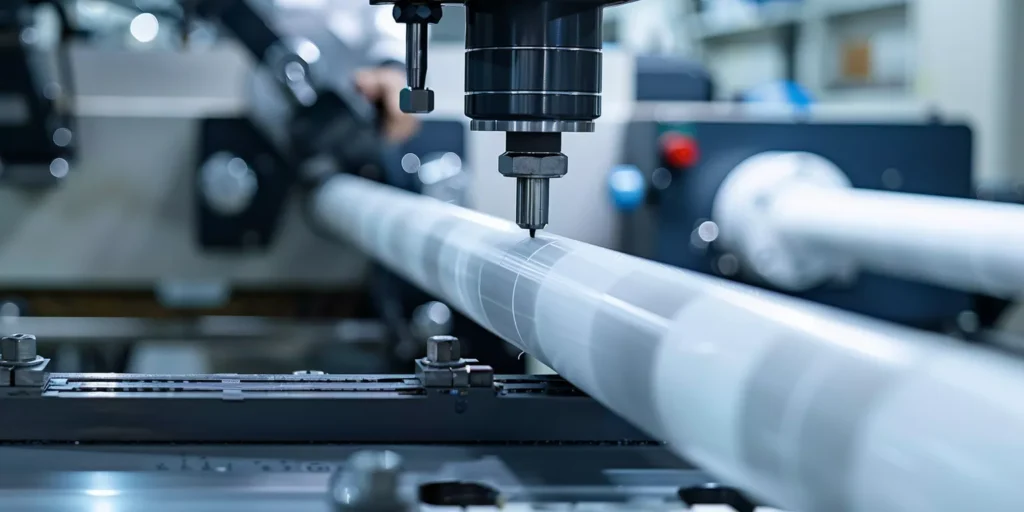
CNC Forming Stability & Wall Thickness Control
Dimensional accuracy for ceramic tubes is achieved through CNC-assisted forming and machining, keeping wall thickness, inner diameter, outer diameter and straightness within tight, repeatable tolerances for secure fits and stable heating paths.
Holding ceramic tube wall variation within narrow limits for uniform heating, insulation and mechanical strength along the full length.
Controlling inner and outer diameters so ceramic tubes slide smoothly into metal housings, seals and fixtures without binding or leakage.
Managing bow and end squareness so tubes align properly in furnaces, heaters and pipelines, improving assembly, sealing and service life.
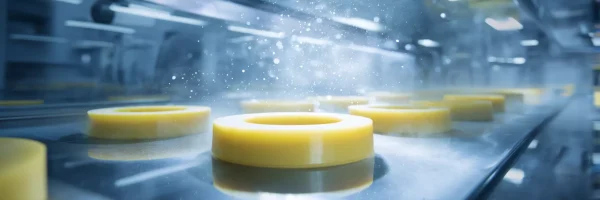
Clean, Low-Contamination Surface Finishing
Internal and external ceramic tube surfaces are refined to reduce residue build-up, minimize contamination and limit micro-cracks, helping each heating or process cycle stay stable and easy to maintain.
Optimised bore roughness reduces powder adhesion and gas turbulence while maintaining good flow and clean contact with media.
Removing sharp rims and micro-chips at tube ends and holes to lower breakage risk during handling and installation.
Applying selected finishes where lower porosity, easier cleaning or reduced reaction with process atmospheres is required.
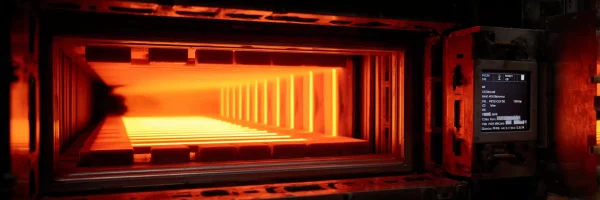
High-Temp Sintering for Service Life & Thermal Shock Resistance
Microstructure density and strength in ceramic tubes are developed through controlled high-temperature sintering cycles, tuned to each material system for long life under repeated heating and cooling.
Managing ramp and cool-down rates to balance strength, residual stress and resistance to cracking in rapid-cycle service.
Matching soak times and peak temperatures to alumina, zirconia, BN or SiC tube bodies so each grade reaches its designed properties.
Low open porosity improves chemical stability and cuts gas or slag penetration over many cycles, helping ceramic tubes keep strength and tightness.
FAQs About Ceramic Tubes & Pipes
Start with the use (furnace/work tube, thermocouple protection, or wire insulation), then the temperature and atmosphere, whether the tube must be gas-tight, and the dimensions (OD, ID, length, wall thickness, bore count, open or closed end). These decide the material route and tube type.
- Alumina suits high-temperature, insulating and gas-tight uses;
- mullite is an economical thermal-shock route for kilns and thermocouple protection;
- silicon carbide gives high thermal conductivity and corrosion resistance but is not an electrical insulator;
- zirconia is tough and wear-resistant.
Share your temperature and atmosphere and we confirm the route.
Open-both-ends tubes are used as furnace and work tubes; closed-one-end tubes protect thermocouples and sensors by sealing the hot zone; multi-bore tubes route several wires with fixed spacing and insulation.
Above roughly 1100–1200 °C most metals soften, oxidize and can interfere with measurement, while ceramic tubes stay dimensionally stable, electrically insulating and chemically resistant when the right material route is chosen. Ceramics are brittle, so they need proper support and controlled heating.
A closed-one-end ceramic tube shields the sensor from corrosion, oxidation and mechanical shock, which keeps readings stable and extends sensor life. Choose closed vs open end by sensor structure and material route by temperature and atmosphere.
Wall thickness and tolerance depend on material, size and geometry. As-fired tolerances are typically around ±0.3–0.5 mm, and ground or machined tubes can reach about ±0.05–0.1 mm on OD or ID. Send a drawing for the exact values, confirmed during engineering review.
Yes. Send an old-part photo or drawing with OD, ID, length and end structure, and, if possible, the failure or reason for replacement. We review the dimensions and material route and confirm what we can make — without promising a drop-in replacement before review.
The use/equipment, material (or a request for us to recommend one), dimensions (OD, ID, length, wall, bore count, open/closed end), operating conditions (temperature, atmosphere), quantity, and a drawing or old-part photo if available. Standard stocked sizes ship shortly after confirmation; custom tubes need tooling and sintering, and typical lead time is confirmed with the quote.
Ceramic Tube RFQ Checklist
Include these with your drawing or old-part photo so engineering review is fast and the quote is accurate:
- Use / equipment — tube furnace, kiln, thermocouple / RTD, sensor, heater or process line
- Drawing, sample, or old-part photo — add a photo of the cracked or worn tube if replacing one
- Tube type — open both ends / closed one end / multi-bore / square / flanged / threaded
- Dimensions — OD, ID, length, wall thickness, bore count
- Gas-tight requirement — dense/gas-tight vs porous/insulating
- Failure mode — cracking, thermal shock, contamination, sagging or corrosion
- Critical features / tolerances — end structure, sealing/contact faces, concentricity or straightness
- Material — alumina (96 / 99.5 / 99.7 / 99.99), mullite, SiC, zirconia, Si₃N₄
- Quantity and stage — prototype / small batch / repeat OEM
A drawing or an old part alone is enough to get started; the rest is confirmed during engineering review.
*Our team will answer your inquiries within 24 hours.
*Your information will be kept strictly confidential.
info@adcerax.com
Tel:+86-0731-84428843
WhatsApp:+86 19311583352
Within 24 hours